Garissa County—Kenya has taken a significant step toward strengthening health migration by training 35 frontline healthcare workers from Garissa, Wajir, and Mandera counties. These regions host large population of migrant, refugee, and nomadic communities.
The training aimed to enhance the capacity of health workers to detect and respond to outbreaks of vaccine-preventable diseases among migrants, who face increased risk due to low routine immunization coverage limited health screening, and barriers to accessing essential health services.
Led by the Ministry of Health and Garissa County Department of Health, with the support of World Health Organization Kenya country office, the initiative was launched in response to repeated outbreaks of circulating vaccine derived poliovirus type 2, measles. It also sought strengthen the capacity of health workers in the Dadaab refugee complex which now hosts over 416,000 migrants and refugees-many of them recent arrivals who remained unvaccinated.
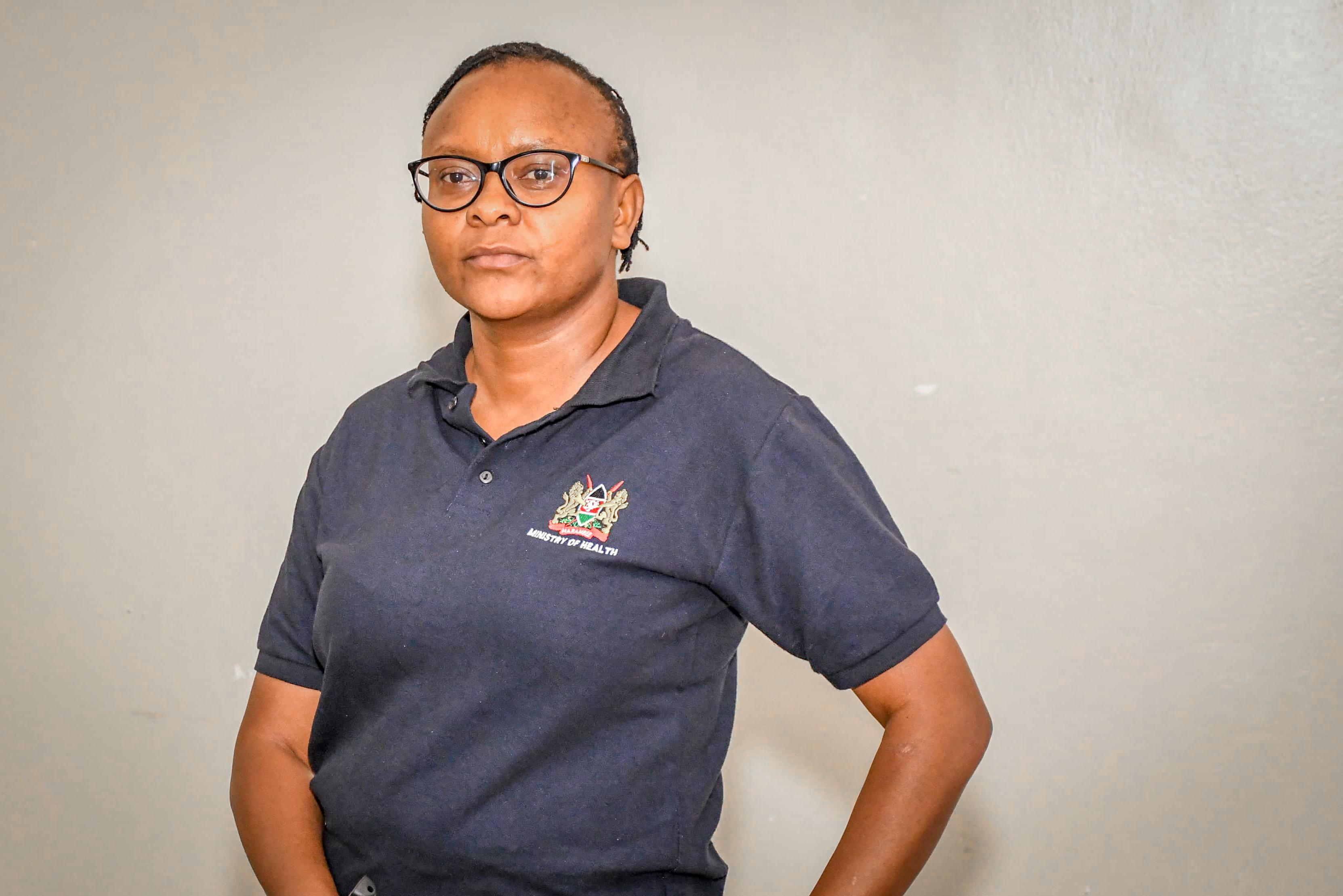
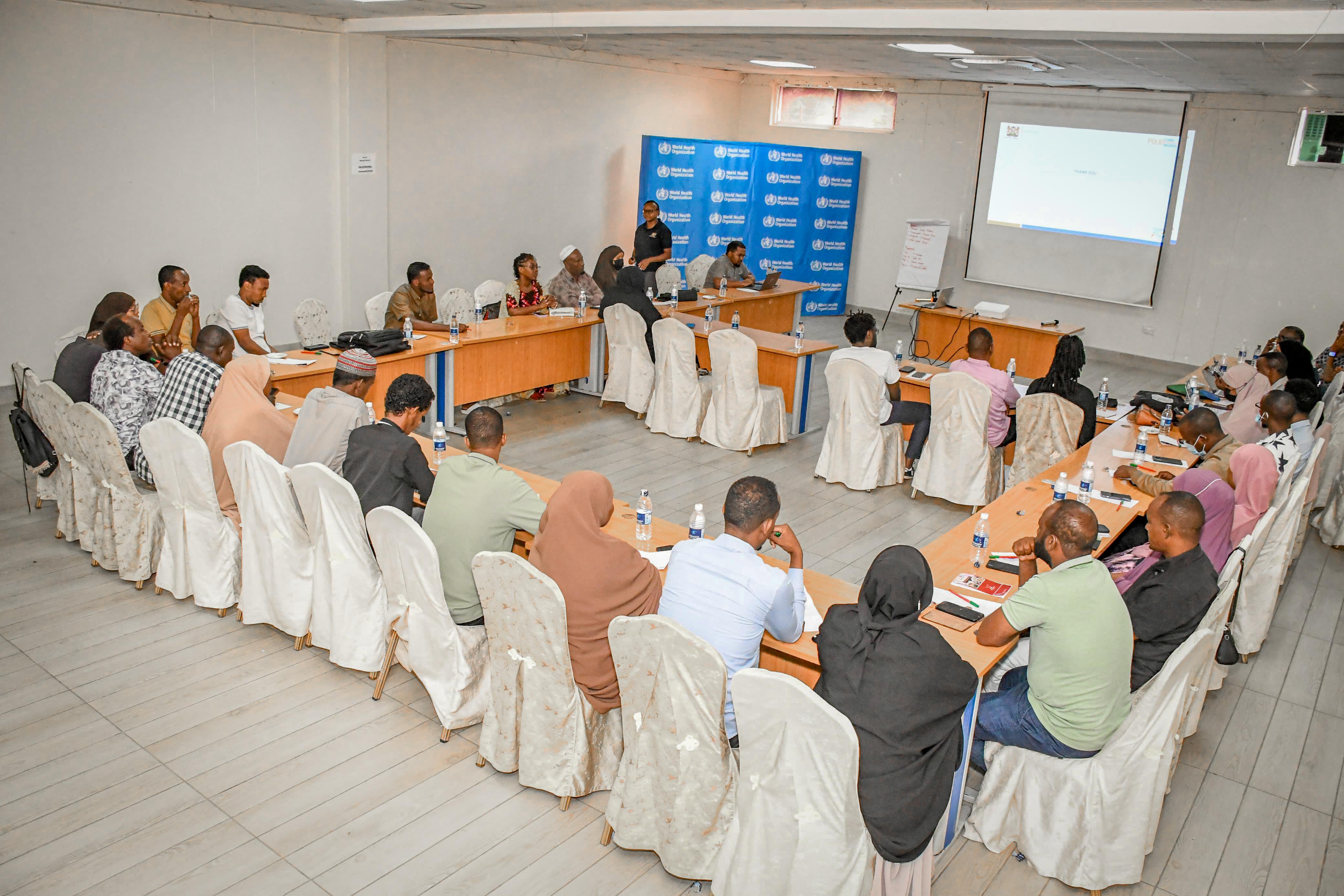
“It was a valuable experience to co-facilitate this important regional training,” said Habon Abdi, Deputy Director of Family Health Services, Garissa County.” The shared regional context enriched the training, as participants exchanged real-life experiences and practical solutions to common challenges of reaching migrant communities with essential health services.”
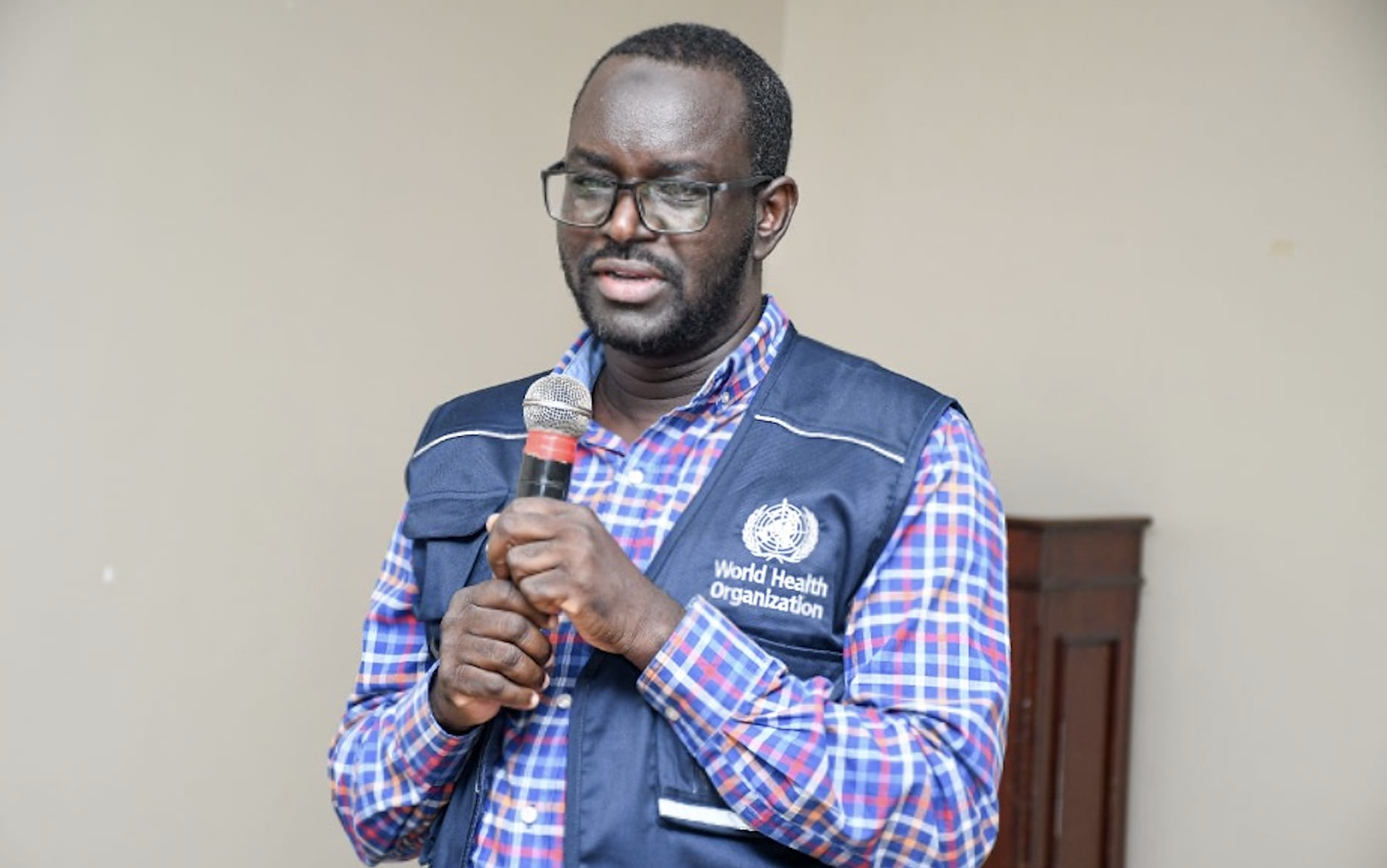
“This will be a game changer in improving timely detection and response to disease outbreaks among migrants, particulary in high-risk and underserved areas,” said Abdiwahid Noor, WHO Health and Migration Officer.
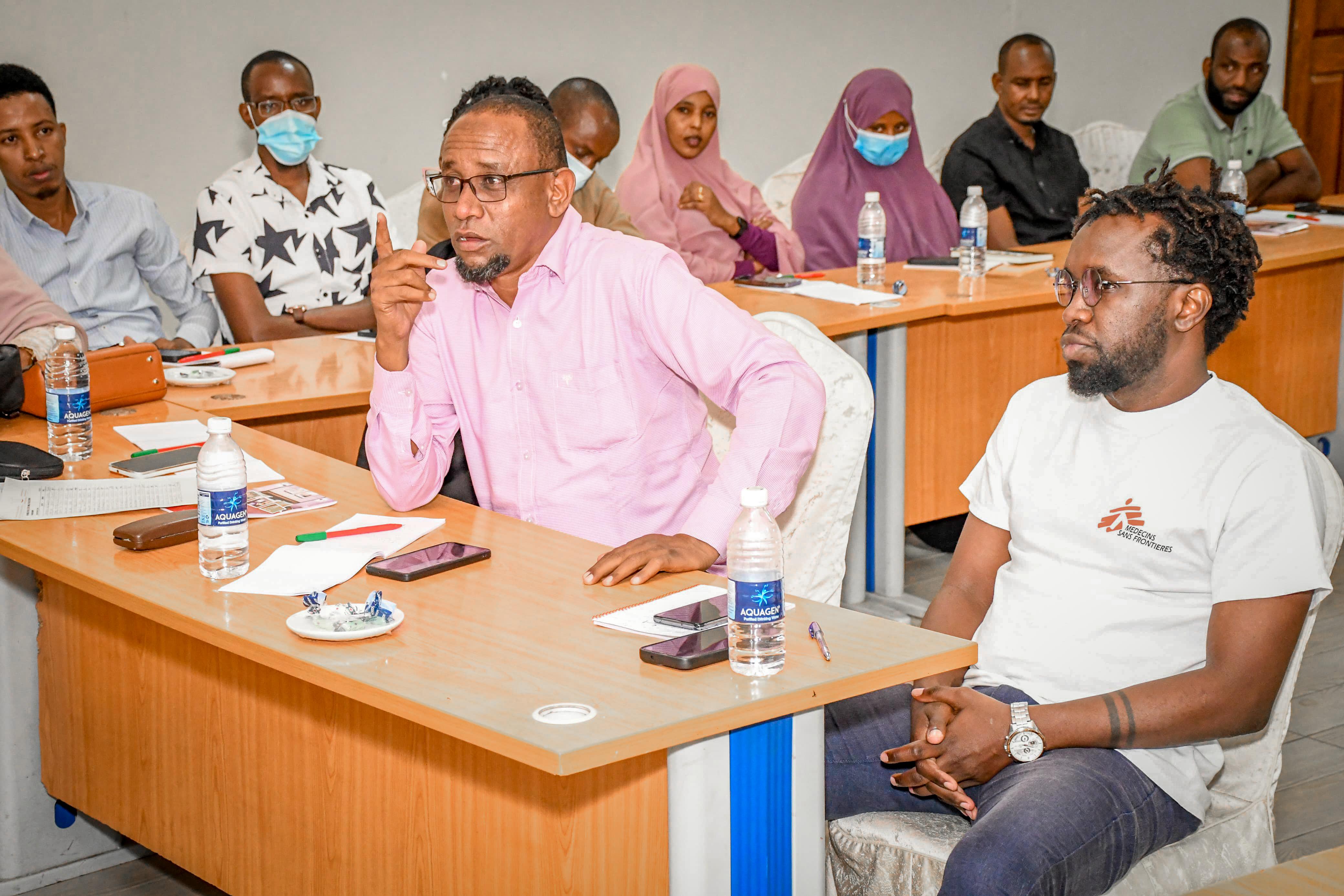
“This training has equipped me with new tools and insights to improve immunisation coverage and disease surveillance for the migrant community in my sub-county of Wajir,” said Hassan Dubow, Disease Surveillance Coordinator, Wajir South. “Thank you to the organisers for such a meaningful and inspiring experience,” he added.
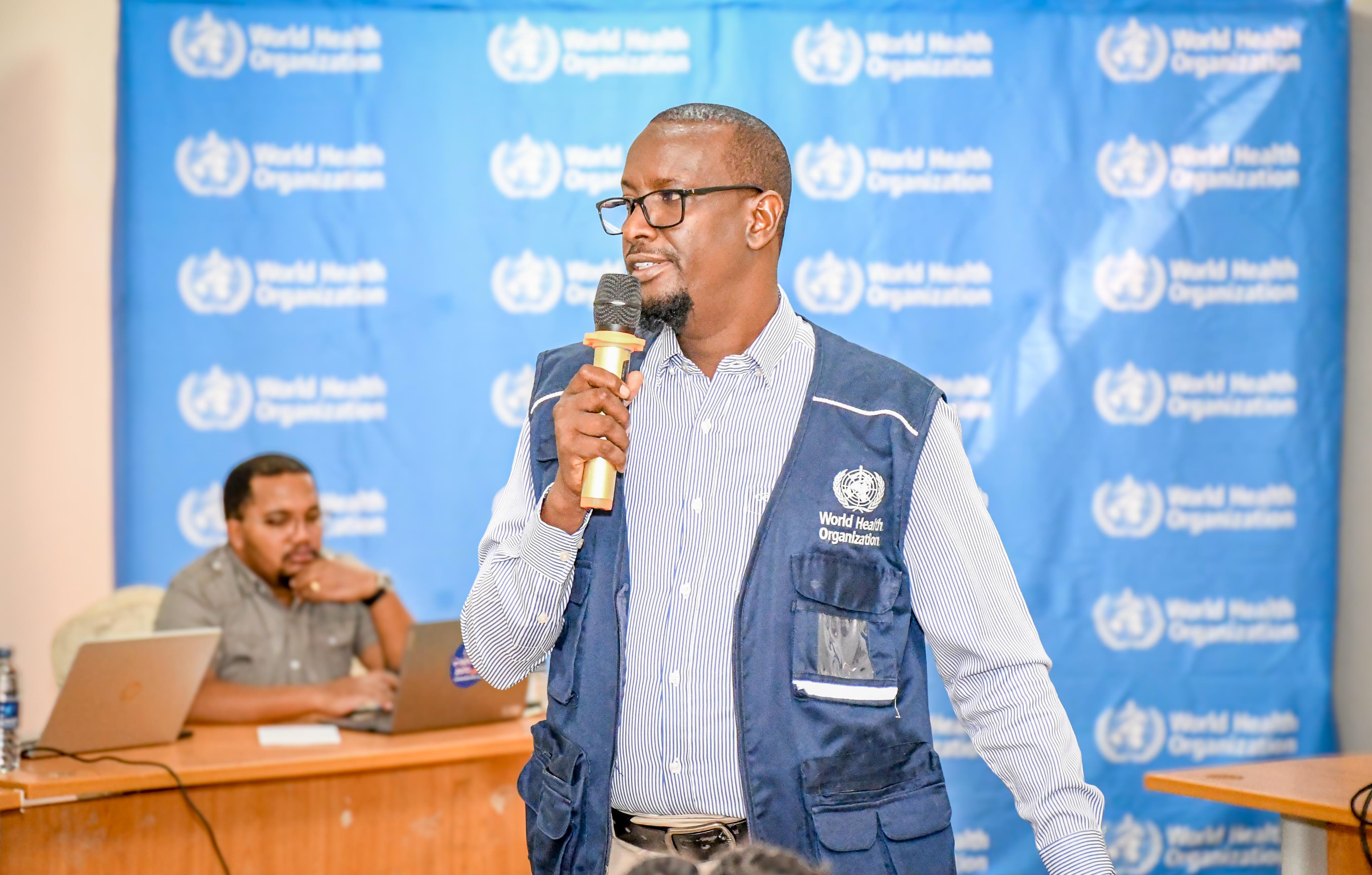
“To sustain progress in migration health, we must institutionalize regular joint capacity-building and cross-county peer learning,” said Dr. Adam Haji, District Health Systems Officer, WHO. “This is key to strengthening routine immunization and disease surveillance systems that effectively serve migrant and nomadic mobile populations.”
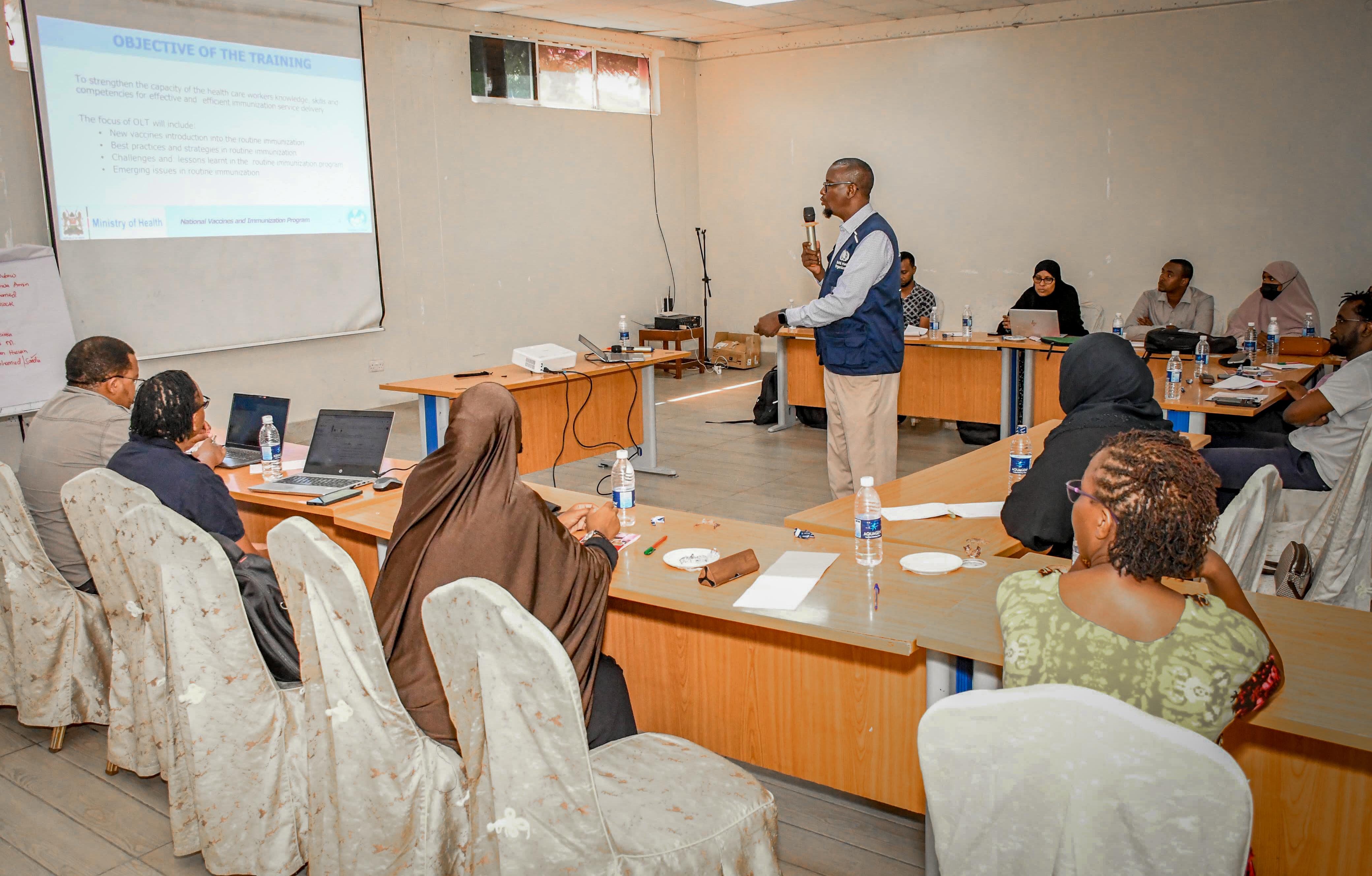
Together, we are investing in a more resilient health system for all.
Communication officer
WHO Kenya
Tel: +254 740 466 426
Email: printg [at] who.int (printg[at]who[dot]int)